Bristol Church Repair May Lead to Edward Colston Exhumation
Bristol Church Repair May Lead to Edward Colston Exhumation
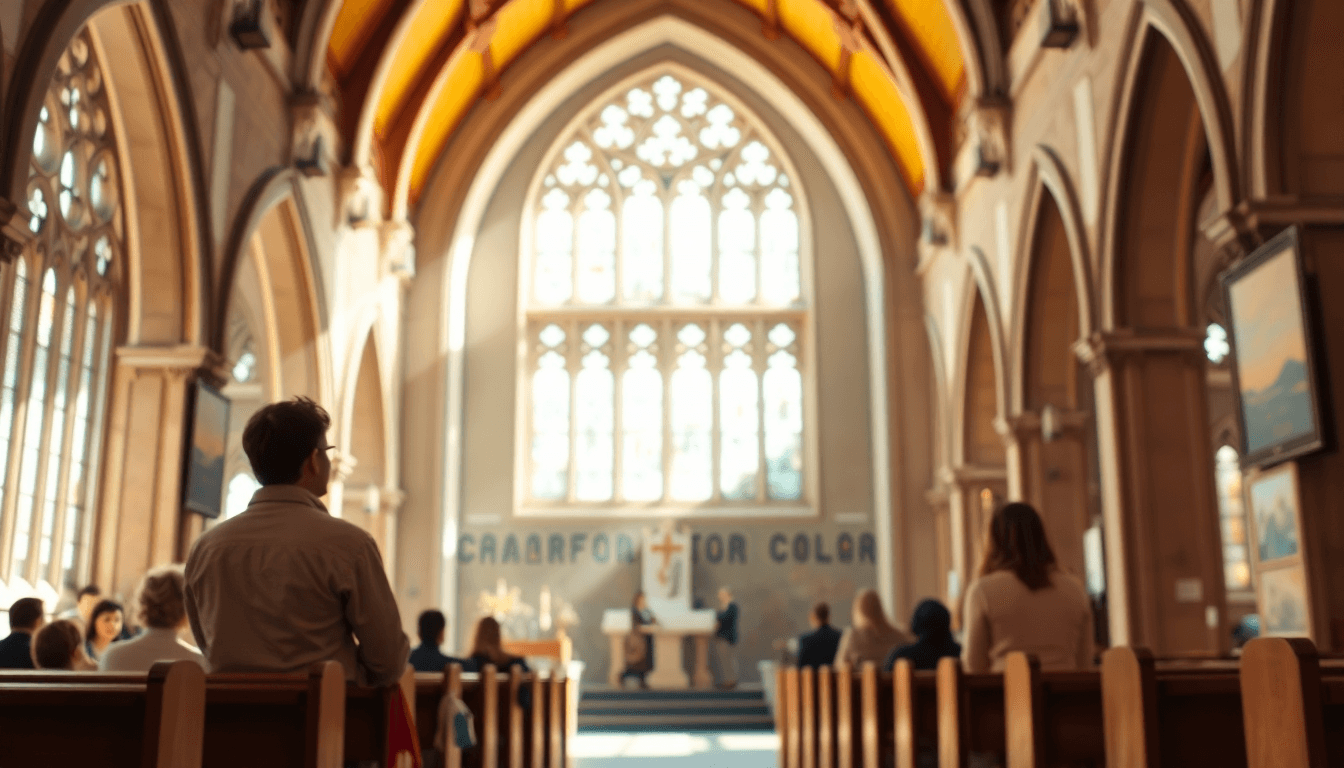
Work is set to begin on repairing a long-unused church in Bristol, which is believed to be the burial site of Edward Colston. The project could lead to the deconsecration of the building and the potential removal of Colston's remains.
In Bristol, efforts are underway to repair a city centre church that has been closed for an extended period. This church is thought to be the burial place of Edward Colston, a figure whose legacy has been the subject of much debate. The repair work is focused on the roof of All Saints Church, and once completed, there is a possibility that the building could be deconsecrated. This change might allow the site to be transformed into a community resource, and it opens up the potential for the exhumation of Colston's remains.
The issue of how to handle sites and objects associated with Colston has been a longstanding challenge for Bristol. The city gained international attention when a statue of Colston was removed and thrown into the harbour. This latest development with the church could further impact how the city addresses its historical connections to Colston.
Programme Details
The repair work on the church is a significant step in addressing the future of the site. The Diocese is conducting a consultation to determine the best course of action for the building once the repairs are completed. The potential deconsecration of the church would allow for a broader range of uses, potentially benefiting the local community.
The consultation process is crucial in deciding the future of the church and how it can serve the community. The possibility of turning the site into a community resource reflects a broader effort to re-evaluate and repurpose historical sites in Bristol. This approach aims to balance the preservation of history with the needs and values of the present-day community.
Outcomes
The outcome of the consultation and repair work could lead to significant changes in how the church is used. If the building is deconsecrated, it could serve as a community space, providing new opportunities for local residents. The potential exhumation of Colston's remains is also a key consideration, as it would address a historical issue that has been a point of contention in the city.
The decision-making process will likely involve input from various stakeholders, including local residents, historians, and community leaders. The goal is to find a solution that respects the historical significance of the site while also meeting the needs of the community. The repair work and subsequent decisions could set a precedent for how other historical sites in Bristol are managed in the future.
In conclusion, the repair of the church in Bristol represents a significant development in the ongoing conversation about Edward Colston's legacy. The potential changes to the site could have lasting impacts on the community and how it engages with its history. The consultation process will play a critical role in shaping the future of the church and its role in the community. Story inspired by reporting from The Guardian.
Enjoying this story? Get good news delivered daily.
Join readers across England who start their morning with a positive story.
This article was produced with AI assistance and reviewed under our editorial guidelines.
Feature This Story
Share this positive news on your website or newsletter
Enjoyed this story?
Good News England is run by one person with a mission to share more positivity. If you'd like to support that, or bring good news coverage to your town, check out our membership options.
Support Good News EnglandAlso in South West: