Newly Discovered Roman Villa Sheds Light on Port Talbot's History
Key takeaways
- The site is situated close to the M4 motorway, making it an accessible location for further archaeological exploration. The park, a popular destination for both locals and tourists, now offers an additional layer of historical intrigue. The implications of this discovery are significant for understanding the historical context of Port Talbot.
A Roman villa has been discovered in a country park near Port Talbot, offering new insights into the area's historical significance. The site, found beneath the surface of Margam Country Park, suggests the region was more central to Roman activities than previously thought.
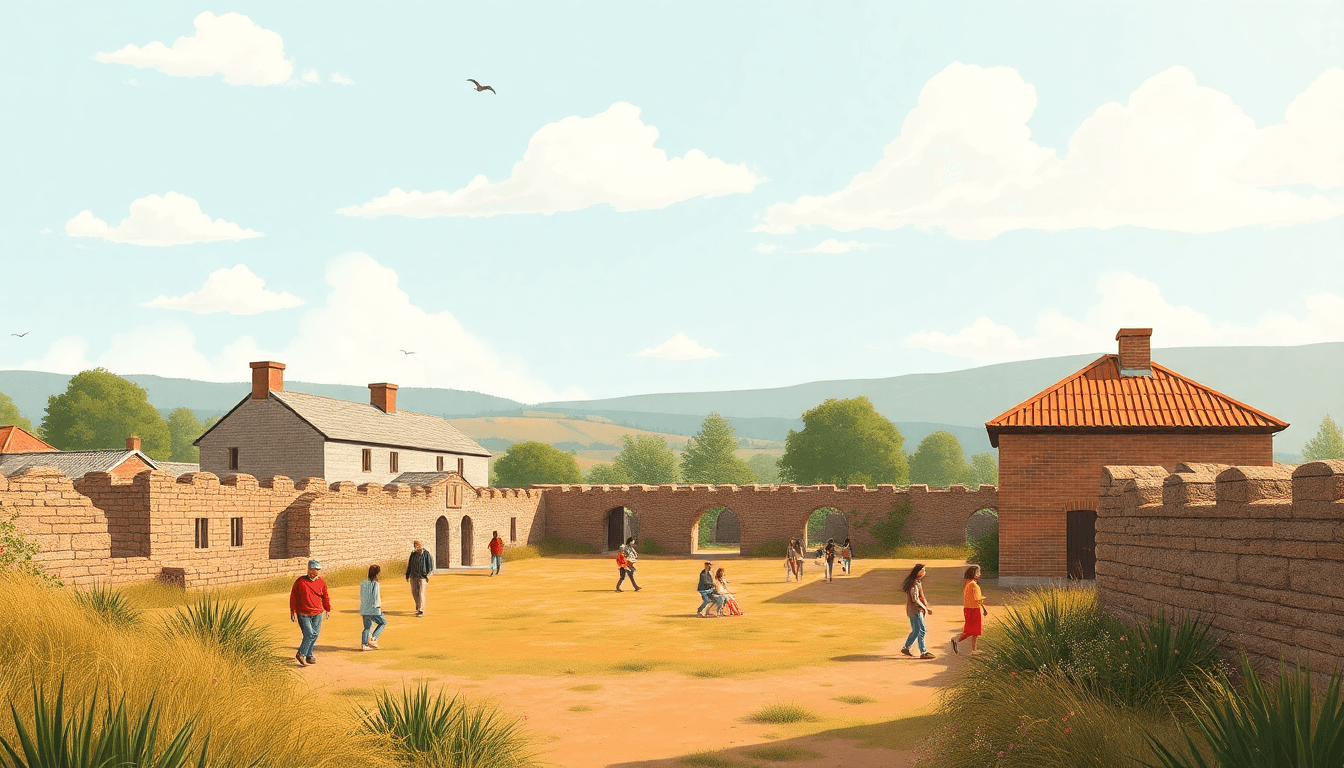
A significant archaeological discovery has been made in Port Talbot, where the remains of a Roman villa have been unearthed. This finding, located in Margam Country Park, provides fresh insights into the historical landscape of the area, which is traditionally known for its industrial past. The villa's presence indicates that the region was not merely on the fringes of the Roman Empire but played a more central role in its agricultural activities.
The discovery of the villa, often referred to as "Port Talbot's Pompeii," highlights the area's rich history that predates its well-known industrial era. The site is situated close to the M4 motorway, making it an accessible location for further archaeological exploration. This finding challenges previous assumptions about the region's historical significance and suggests a more complex narrative of its past.
Programme Details
The villa's discovery in Margam Country Park has sparked interest among historians and archaeologists, who are keen to explore the site's potential. The park, a popular destination for both locals and tourists, now offers an additional layer of historical intrigue. The villa's remains provide a tangible connection to the Roman era, offering a glimpse into the agricultural practices that may have been prevalent in the area.
This discovery adds to the cultural and historical tapestry of Port Talbot, providing a new perspective on its development over the centuries.
Outcomes
The implications of this discovery are significant for understanding the historical context of Port Talbot. The villa suggests that the area was more integrated into the Roman Empire's agricultural network than previously believed. This challenges the notion that the region was merely a peripheral part of the empire, instead highlighting its potential importance in Roman Britain.
Further research and excavation at the site are anticipated, which could reveal more about the villa's structure and the people who lived there. This ongoing exploration will likely contribute to a deeper understanding of the region's historical significance and its role within the broader Roman Empire.
The discovery of the Roman villa in Margam Country Park offers a new perspective on Port Talbot's history, suggesting a more central role in Roman agricultural activities. This finding enriches the narrative of the area's past and opens up new avenues for historical and archaeological research. Story inspired by reporting from Nature.com and The Guardian.
Enjoying this story? Get good news delivered daily.
Join readers across England who start their morning with a positive story.
This article was produced with AI assistance and reviewed under our editorial guidelines.
Frequently asked questions
What community events are taking place at Margam Country Park in Cambridge?
The site, found beneath the surface of Margam Country Park, suggests the region was more central to Roman activities than previously thought. A significant archaeological discovery has been made in Port Talbot, where the remains of a Roman villa have been unearthed.
Feature This Story
Share this positive news on your website or newsletter
Enjoyed this story?
Good News England is run by one person with a mission to share more positivity. If you'd like to support that, or bring good news coverage to your town, check out our membership options.
Support Good News EnglandAlso in East of England: