Little terns saved by decades of volunteer effort
Volunteer-led conservation efforts spanning four decades have helped protect little terns, a marine bird threatened by high tides and beachgoers, across England's coastline.
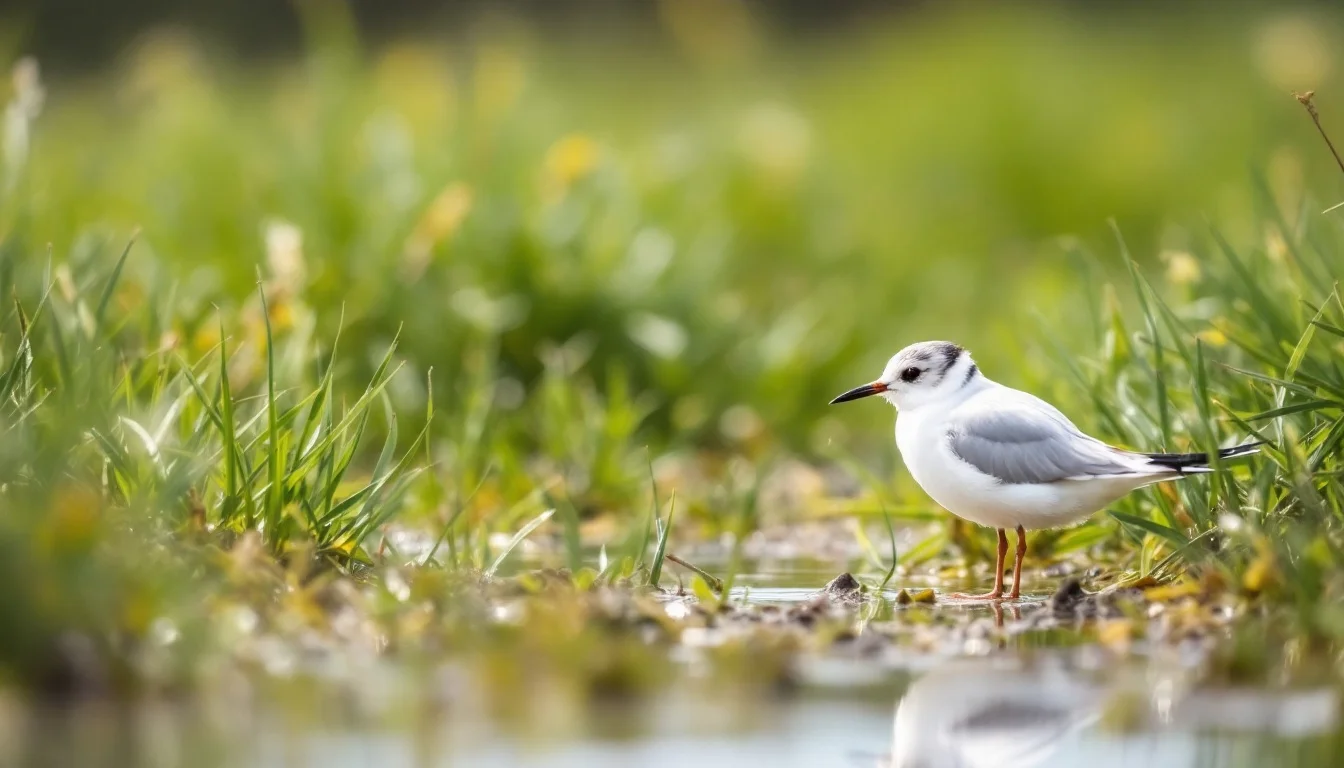
Volunteers Help Pull Little Terns Back from the Brink
According to BBC News, a conservation project running for roughly four decades has played a significant role in protecting little terns, a marine bird facing pressure from high tides and the presence of beachgoers along England's shores.
Read our full coverage of Environment news from across England →
Key Facts
- Species: Little tern, a marine bird found along England's coastline
- Threat: High tides and beachgoer disturbance to nesting sites
- Response: Long-running volunteer-led conservation effort
- Duration: Approximately 40 years of sustained activity
- Scale: Nationwide coastal conservation work
The Threats Facing Little Terns
Little terns nest on open beaches, making them particularly vulnerable to the pressures of coastal life. High tides can swamp nesting sites, while the presence of beachgoers during the summer months can disturb breeding pairs and reduce the chances of successful nesting.
These pressures have made the little tern one of the more at-risk marine birds along England's coastline. Without active intervention, the species would face significant challenges in maintaining stable breeding populations in areas where human activity and natural forces combine.
How Volunteers Are Making a Difference
As reported by BBC News, volunteers have been central to efforts to protect the species over a period of around 40 years. This sustained, long-term commitment has been a key factor in helping little terns survive and, in some cases, recover at sites where they breed.
Volunteer involvement in coastal conservation of this kind typically includes monitoring nesting sites, managing access to sensitive areas during the breeding season, and providing a visible presence that helps reduce disturbance from members of the public.
A Long-Term Commitment to Coastal Wildlife
What makes this conservation effort notable is its duration. Sustaining volunteer engagement over four decades requires consistent organisation and a shared commitment to protecting a species that might otherwise go unnoticed by the wider public.
Little terns are small birds, and their nesting habits on open shingle and sandy beaches place them directly in the path of seasonal coastal activity. The fact that volunteers have maintained protective efforts across such a long period reflects the level of dedication involved in grassroots wildlife conservation throughout England.
What This Means for Coastal Conservation
The story of the little tern illustrates how sustained, community-led action can contribute meaningfully to the protection of wildlife that shares England's coastline with millions of visitors each summer. Beaches are among the most heavily used natural spaces in the country during warmer months, and the presence of ground-nesting birds adds a layer of complexity to how those spaces are managed.
Conservation efforts of this kind depend on continued volunteer participation and public awareness of the pressures facing coastal species. The little tern's situation serves as a reminder that some of England's most vulnerable wildlife exists in the spaces people visit most frequently.
Story inspired by reporting from BBC News.
Sources · BBC News · Spotted an error? Corrections →
This article was produced with AI assistance. Read how we work in our editorial standards.
Frequently asked questions
What is today's national good news from England?
Volunteer-led conservation efforts spanning four decades have helped protect little terns, a marine bird threatened by high tides and beachgoers, across England's coastline.