Water voles return to English rivers via volunteers
Volunteer-led surveys on England's rivers are confirming successful water vole reintroductions, with Hampshire's River Meon among the sites showing signs of recovery.
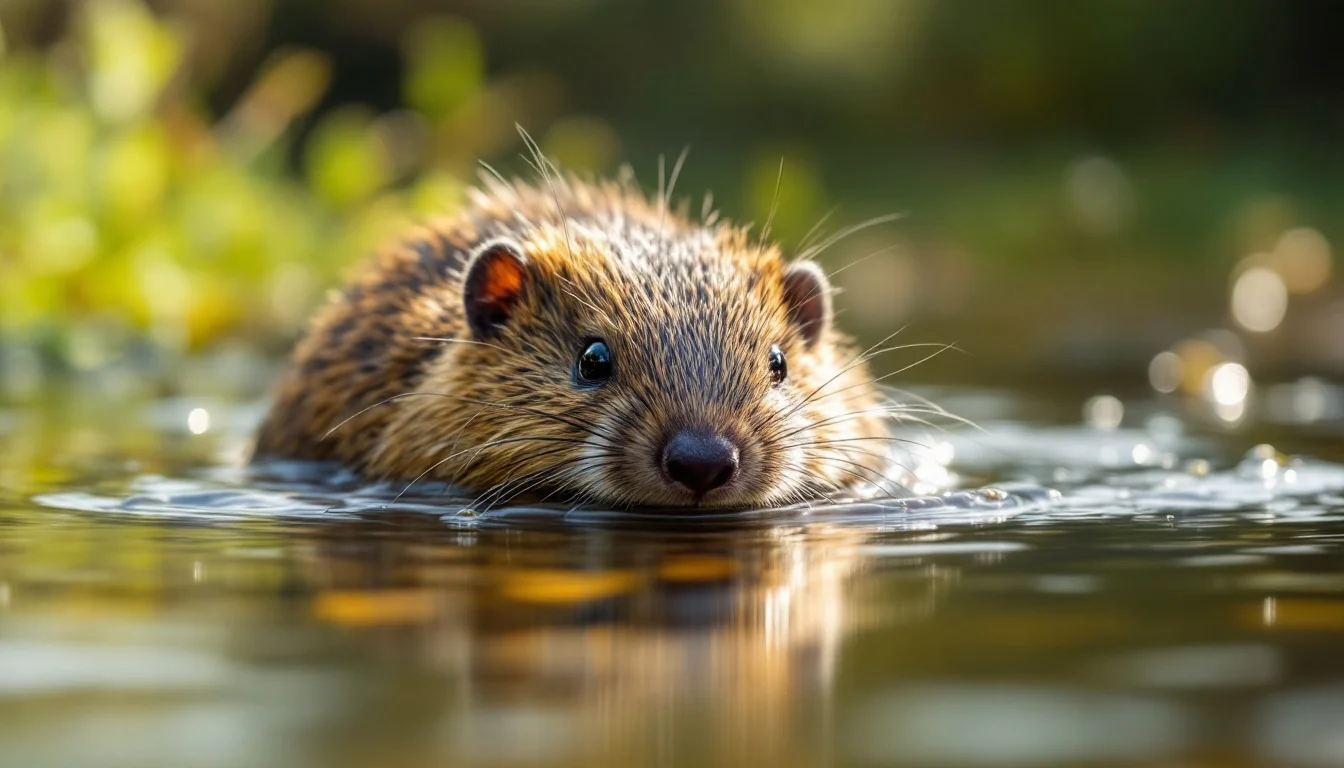
Water Voles Return to English Rivers Via Volunteer Surveys
According to BBC News, regular surveys of the River Meon in Hampshire are showing a successful reintroduction of water voles, with volunteers playing a central role in monitoring the species' recovery across England.
Read our full coverage of Environment news from across England →
Key Facts
- Species: Water vole, one of England's most rapidly declining native mammals
- Location: River Meon, Hampshire, among sites being actively monitored
- Method: Regular volunteer-led surveys tracking signs of water vole presence
- Indicator: Volunteers report identifying flattened droppings as a key sign of activity
Volunteer Surveys Drive Conservation Efforts
Water vole reintroduction programmes across England rely heavily on trained volunteers who carry out regular surveys along riverbanks. These surveys involve searching for tell-tale signs that the animals are present and establishing themselves in a habitat.
One of the more distinctive indicators volunteers look for is flattened droppings, sometimes referred to informally as "latrines," which water voles leave at regular points along the water's edge. According to BBC News, volunteers have described becoming genuinely enthusiastic about spotting these signs, a reflection of how meaningful each piece of evidence is to those monitoring the species' progress.
The River Meon in Hampshire has emerged as a notable example of where reintroduction efforts appear to be bearing fruit, with surveys consistently returning positive results.
Why Water Voles Matter to England's Ecosystems
Water voles were once a common sight along England's rivers, streams, and ditches. Over recent decades, however, their numbers declined sharply due to habitat loss and predation, making successful reintroduction programmes an important part of broader wildlife recovery efforts nationwide.
Reintroduction projects typically involve releasing captive-bred animals into carefully prepared habitats, followed by ongoing monitoring to assess whether populations are becoming self-sustaining. Volunteer surveyors are essential to this process, providing the regular, ground-level observations that professional conservation teams cannot always carry out alone.
Signs of Recovery Across England
The positive results from the River Meon surveys are part of a wider picture of water vole conservation activity taking place throughout England. Volunteer groups working alongside conservation organisations have been instrumental in gathering the data needed to understand where populations are thriving and where further intervention may be required.
The enthusiasm described by volunteers, including their excitement at finding flattened droppings, underlines the grassroots commitment driving these programmes forward. Each survey contributes to a growing body of evidence about the species' recovery across the country.
For those interested in getting involved in water vole monitoring or similar wildlife survey work, local conservation groups and national wildlife organisations are active across England and regularly seek new volunteers.
Story inspired by reporting from BBC News.
Sources · BBC News · Spotted an error? Corrections →
This article was produced with AI assistance and reviewed under our editorial guidelines.
Frequently asked questions
What is today's good news from Southampton?
Volunteer-led surveys on England's rivers are confirming successful water vole reintroductions, with Hampshire's River Meon among the sites showing signs of recovery.