Oomwoo is an open-source robot vacuum you build yourself
Oomwoo is an open-source robot vacuum you build yourself Oomwoo is an open-source, build-it-yourself robot vacuum designed for the maker community, running entirely locally without cloud dependency. It maps the home using an affordable 2D LiDAR, navigates autonomously, and integrates natively with Home Assistant.
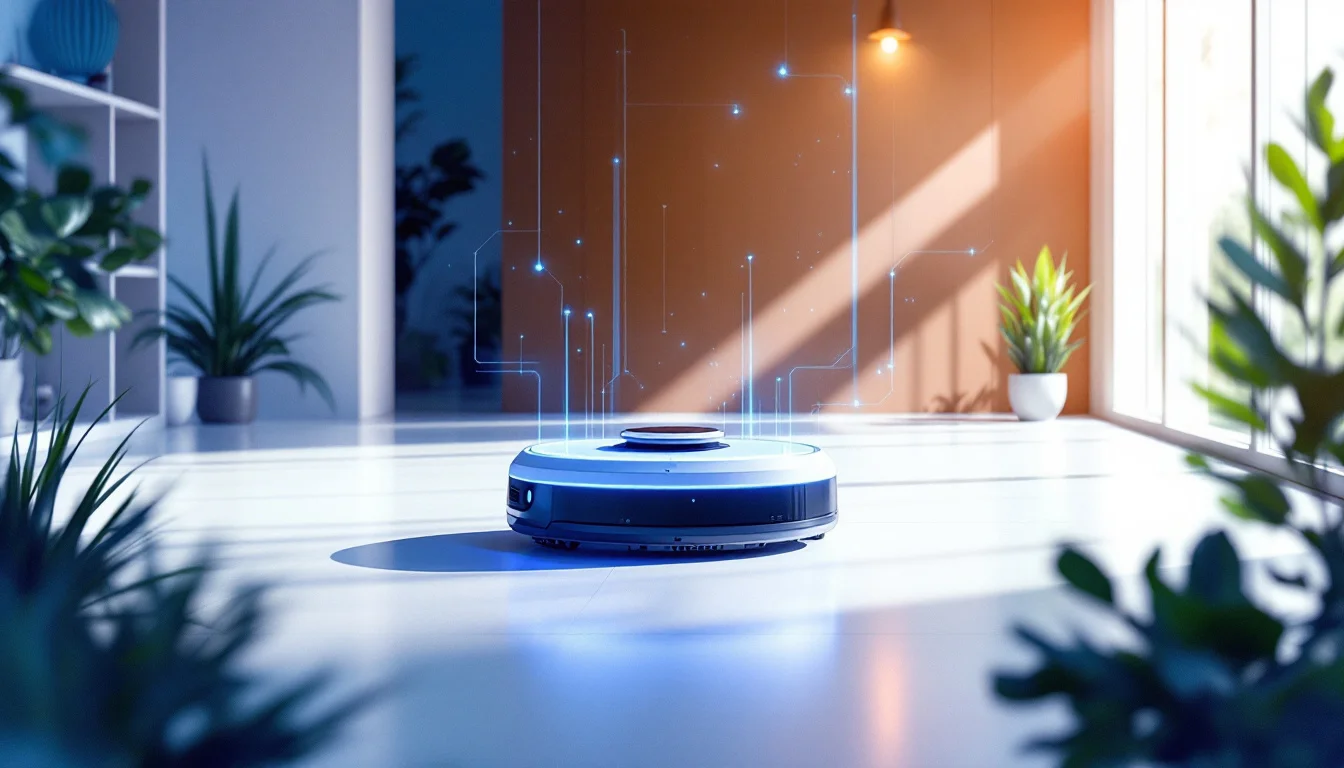
Oomwoo is an open-source, build-it-yourself robot vacuum designed for the maker community, running entirely locally without cloud dependency. It maps the home using an affordable 2D LiDAR, navigates autonomously, and integrates natively with Home Assistant.
Oomwoo is a build-it-yourself robot vacuum created under the Maker's Pet project, designed from the ground up to be fully open — open hardware, open firmware, and open software. The project is being built in public from the first commit, meaning the community can follow and contribute to its development as it progresses. The robot maps a home using an affordable 2D LiDAR sensor and navigates autonomously, all without requiring a cloud connection or vendor lock-in.
The vacuum integrates natively with Home Assistant and is designed so that the core functionality always works locally, out of the box. Optional extras — including cloud features and eventually an app store of ROS 2 applications — may be layered on top, but the local-first promise remains constant. The name Oomwoo is a rotational ambigram, reading the same when flipped 180 degrees, much like the robot itself roaming the floor in every direction.
The project is described as genuinely early in its hardware development, and that transparency is intentional. Parts sourcing is currently under way, and the first milestone — referred to as v0 — aims to deliver a bare-bones, working build.
How It Works
Oomwoo is built around a Raspberry Pi 5 and uses ROS 2 as its software foundation. The robot and its software are split into self-contained modules, referred to as Requests for Contributions, allowing community members to work on individual components independently and submit pull requests. Multiple contributors can tackle the same module, with the best solution surfacing over time.
The software development environment is already available, and the project can be installed and run in simulation — without any hardware — in around 15 minutes. Contributors can also test robot software at home using an existing consumer vacuum cleaner as a placeholder while the dedicated hardware is still being developed.
The target budget for parts is stated as approximately $100 to $200, plus a Raspberry Pi 5 with 4GB of RAM, to build a robot comparable to a mid-range vacuum costing significantly more. Everything about Oomwoo stays open, meaning every part can be sourced independently.
Getting Started and Availability
The project's main GitHub repository is where 3D files and software will be published as development progresses. Tutorials are available for setting up the simulation environment and for using a consumer vacuum as a hardware placeholder during development.
For those who prefer not to source parts individually, a convenience kit — including motors, a PCB, brushes, gaskets, and a LiDAR — will be made available through Maker's Pet. The kit is described explicitly as a convenience, never a requirement, keeping the project fully accessible to anyone who wishes to source components themselves.
Story based on discussion on Hacker News.
Enjoyed this tech story? Share it with others!