CBSO: Birmingham as proud of its orchestra as football
New research from the CBSO finds Birmingham is almost as proud of its orchestra as its football teams: a third of residents (32%) name orchestras and concert halls as a point of civic pride, close behind football (38%), and classical music is as popular with 25 to 34-year-olds as with 55 to 64-year-olds.
A CBSO study, the Birmingham Listening Project, finds a third of Birmingham residents (32%) are proud of the city's orchestras and concert halls, close behind its football teams (38%), and that classical audiences are not ageing.
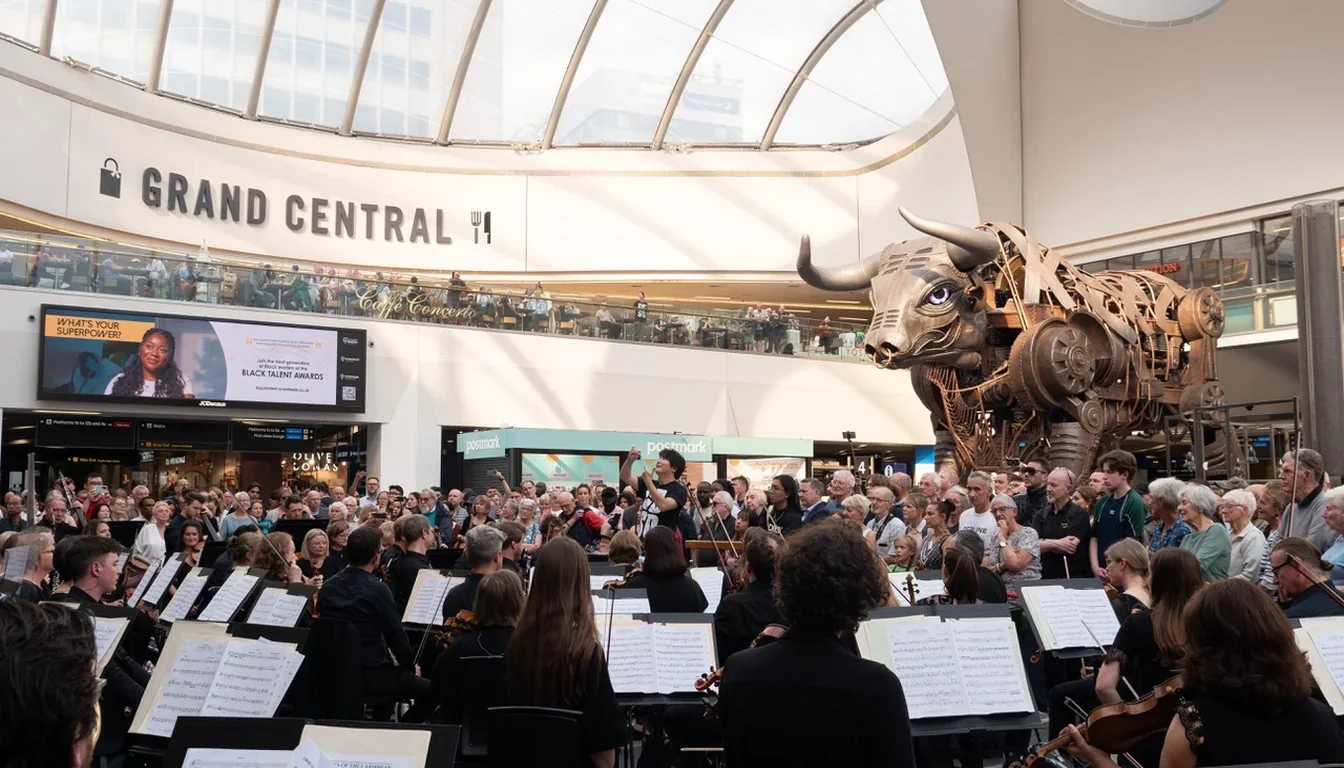
New research from the CBSO's Birmingham Listening Project says Birmingham feels almost as much civic pride for its orchestra as it does for its football teams. Asked what the city can be proud of on a national and international stage, a third of residents (32%) named its orchestras and concert halls, close behind its football teams (38%). In the home of Aston Villa, Birmingham City and West Bromwich Albion, the orchestra sits among the institutions people point to first when asked what makes Birmingham matter.
What the Birmingham Listening Project found
The study, commissioned by the City of Birmingham Symphony Orchestra (CBSO), gathered the views of more than 1,000 residents over an 18-month period. It describes a city with music already woven through daily life: 93% of residents say they include at least one kind of music in their day, whether relaxing (67%), cooking or doing chores (56%) or commuting (39%).
The appetite to go further is broad too. Asked which genres they would like to experience live in 2026, 89% named at least one, and of that group, one in five picked orchestral or classical music.
"Birmingham is not a city waiting to be introduced to culture: it is already living it, in kitchens and on commutes, long before anyone walks through the doors of Symphony Hall," said Emma Stenning, Chief Executive of the CBSO. "The audience is already there, and it always has been. Our job is not to ask who classical music is for; it is to make sure that when people arrive, the room feels like it belongs to them."
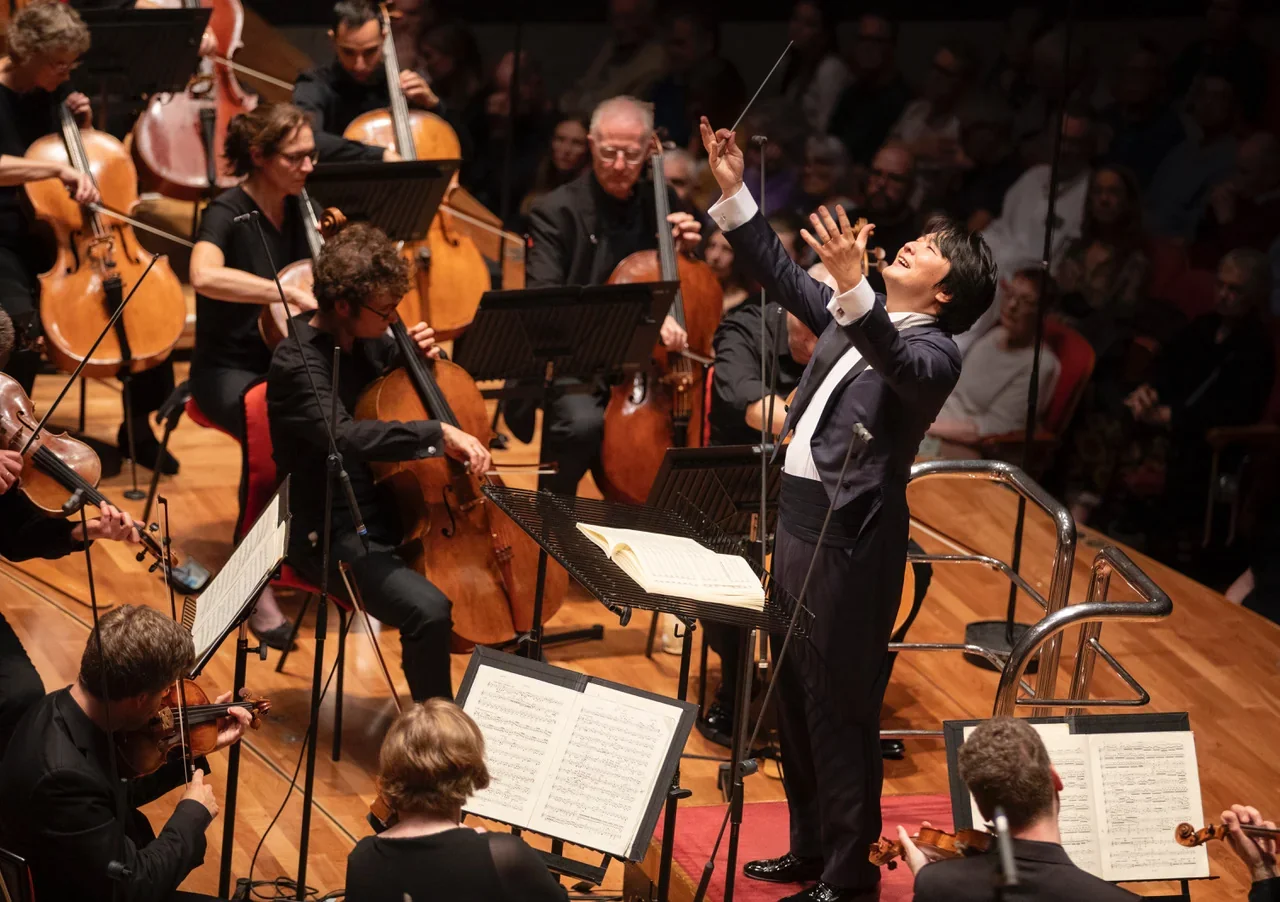
Music Director Kazuki Yamada conducts the CBSO. Photo: Andrew Fox / the CBSO.
CBSO in the City 2026: free concerts across Birmingham
That thinking is on show every summer with CBSO in the City, which returns for a third year over the August Bank Holiday weekend, from 27 to 31 August. The festival takes the orchestra out of the concert hall and into parks, gardens, libraries, pubs and cafes across Birmingham, with free concerts wherever people already are. The full programme is available from the CBSO.
Birmingham wants to invest in music
The research also challenges the idea that the public has little appetite for arts spending. More than nine in ten residents (91%) said they want the government to spend more on arts and culture. Parents feel it most sharply: 44% of all residents want more children to learn music at school and to experience being in a band or orchestra, rising to 72% among parents of pre-school-age children. The CBSO's partnership with Shireland CBSO Academy, where every child has the chance to play an instrument, is one answer to that demand, alongside the £1 tickets that put a seat in the concert hall within reach.
Asked where they most want arts investment to go, residents put small and grassroots venues top:
- Small and grassroots venues: 48%
- Children learning music at school: 44%
- Galleries, libraries and free-to-access services: 43%
- School trips to concerts, galleries and theatre: 38%
- Cross-cultural events across Birmingham: 30%
Residents also see a wider payoff. Just over half (51%) said arts investment would be good for business and tourism, 43% said it would help the city become more united, and 39% said it would make Birmingham happier and more tolerant.
Are classical music audiences getting older? Not in Birmingham
The report also takes aim at one of the most repeated assumptions about classical music: that its audience is old and getting older. In Birmingham it is neither. Orchestral and classical music is part of the everyday soundtrack for around one in six residents, and it is about as popular with 25 to 34-year-olds as with those aged 55 to 64.
Daily listening to orchestral or classical music holds steady across the generations:
- 25 to 34: 16%
- 35 to 44: 15%
- 45 to 54: 15%
- 55 to 64: 20%
The widest gap in the whole study was not between ages or genres. It was between what people expected from a concert and how they felt once they were in the room. Among Birmingham residents attending a CBSO concert for the first time, 84% loved or enjoyed it. As one first-time attender put it: "I thought classical concerts were just for posh older people. Not people like me. Now I've done it once, I wouldn't feel so nervous next time."
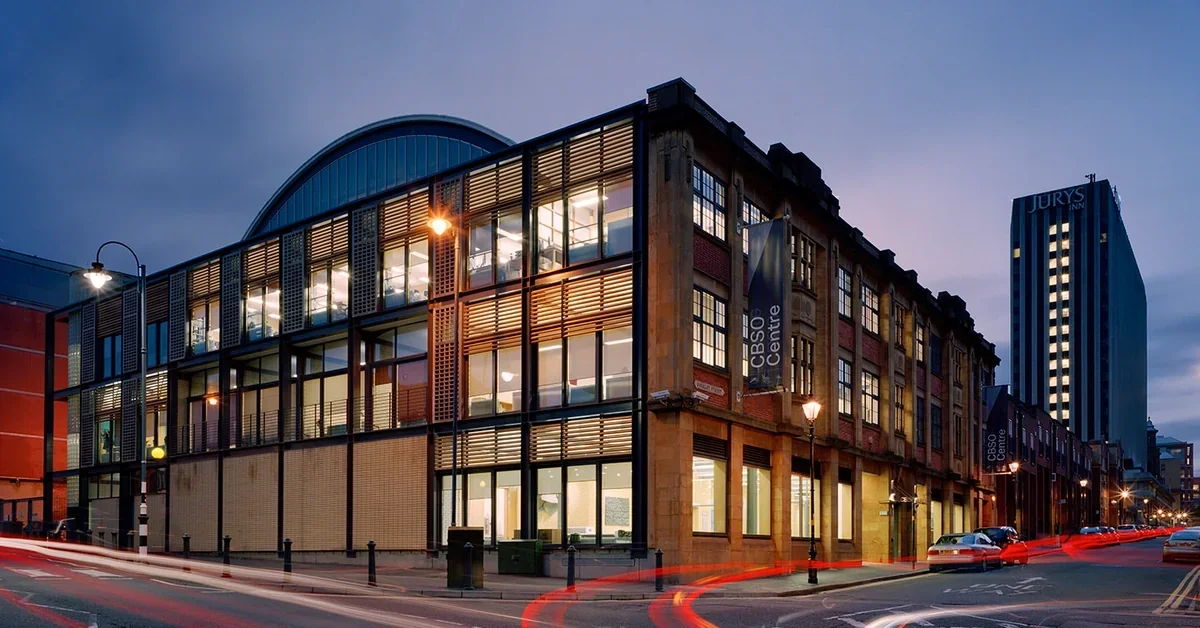
The CBSO Centre in Birmingham. Photo: Carew Cox / the CBSO.
About the CBSO
The City of Birmingham Symphony Orchestra is an internationally celebrated orchestra, resident at Symphony Hall, that performs more than 150 concerts a year in Birmingham, across the UK and around the world. Led by Music Director Kazuki Yamada and Chief Executive Emma Stenning, it has been "Birmingham's orchestra" for more than a century, from its first symphonic concert in 1920 under Sir Edward Elgar to international fame under Simon Rattle from 1980 and his successors. Alongside its concerts it runs a wide community and education programme, including a partnership with Shireland Collegiate Academy Trust, and is supported by Arts Council England.
The Birmingham Listening Project research was carried out by UK Omnibus Group and Indigo Research across Summer 2025, January 2026 and May 2026, each survey polling a representative sample of around 350 Birmingham residents.
Published in partnership with the CBSO. Find out more at cbso.co.uk.
Sources · the CBSO · Spotted an error? Corrections →
Featured in this story? You're welcome to republish it for free under our simple republishing terms.
Frequently asked questions
What did the CBSO's Birmingham Listening Project find?
The Birmingham Listening Project, commissioned by the City of Birmingham Symphony Orchestra and based on more than 1,000 residents surveyed over 18 months, found that a third of Birmingham residents (32%) name the city's orchestras and concert halls as a source of civic pride, close behind its football teams (38%). It also found that classical music is as popular with 25 to 34-year-olds as with 55 to 64-year-olds, and that more than nine in ten residents want more spending on arts and culture.